


-
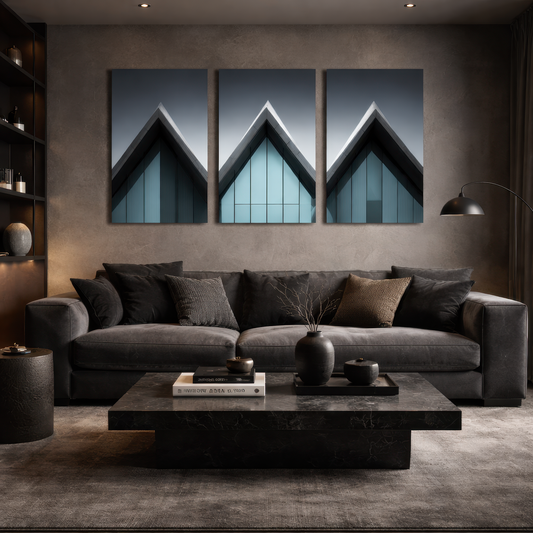
Dark Glass Apex – Modern Roofline Triptych
Regular price From €150,00 EURRegular price -
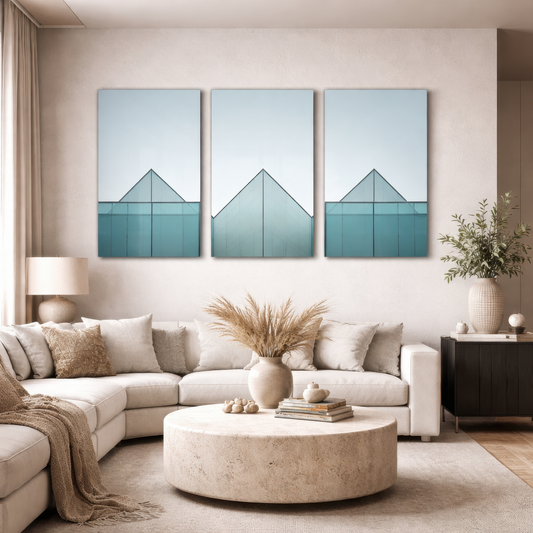
Glass Peak Geometry – Symmetry in Contemporary Design
Regular price From €150,00 EURRegular price -
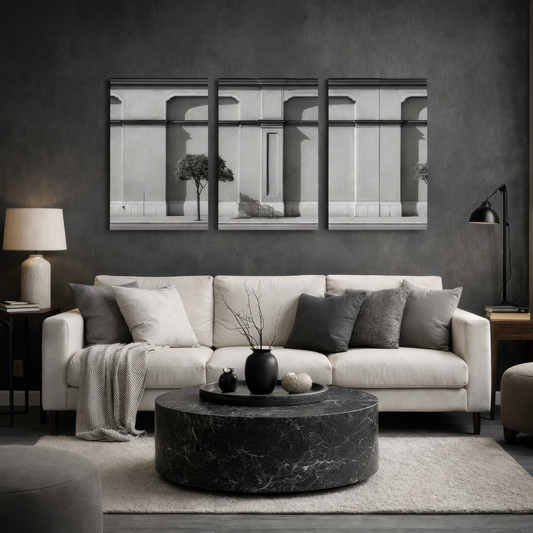
Monochrome Urban Facade – Black & White Structure Series
Regular price From €150,00 EURRegular price -
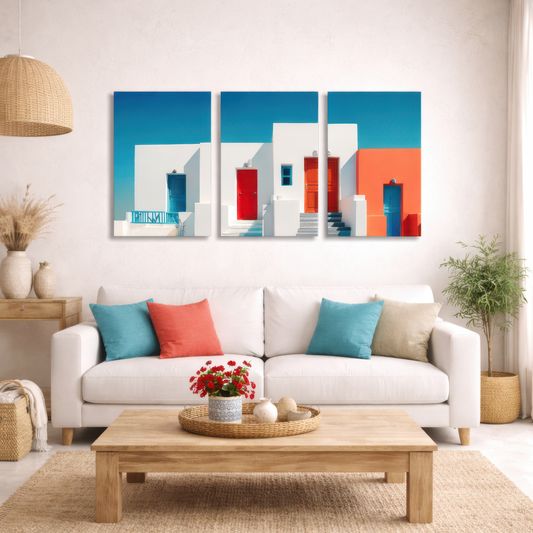
Mediterranean Color Pop Doors – Coastal Geometry Triptych
Regular price From €150,00 EURRegular price -
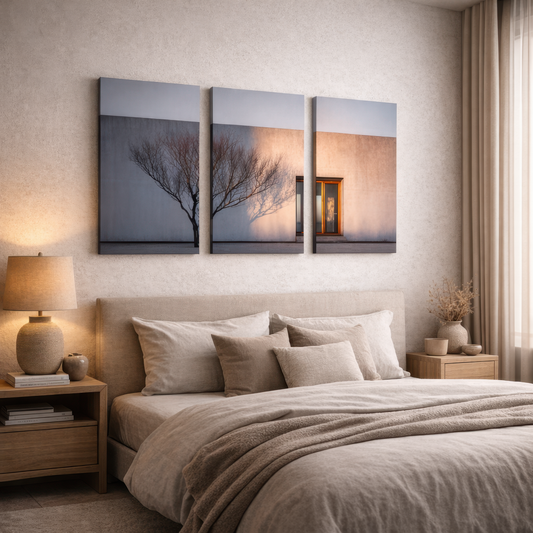
Silent Wall at Dusk – Minimalist Architectural Study
Regular price From €150,00 EURRegular price -
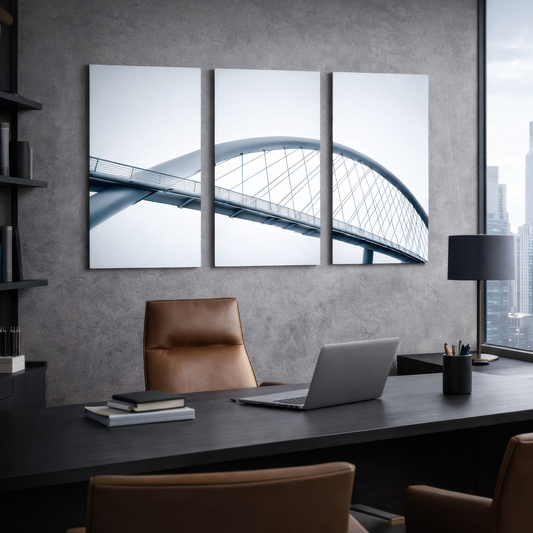
Modern Arch Bridge – Structural Line Composition
Regular price From €150,00 EURRegular price -
Rainy Glass Facade – 3 Piece Modern Architectural Wall Art
Regular price From €150,00 EURRegular price -
Minimalist Urban Perspective – 3 Piece Architectural Metal Art
Regular price From €150,00 EURRegular price








What is architectural wall art?
How do I choose architectural wall art for my space?
Where should architectural wall art be placed?
Architectural Wall Art

Geometric Structures
Compositions built on grids, symmetry, and repeated forms. Defines clarity through precise structural rhythm.
Perspective Lines
Strong vanishing points and depth-driven layouts. Enhances spatial perception across wider walls.
Urban Facades
Architectural surfaces reduced to pattern and repetition. Balances detail with controlled composition.
Minimal Architecture
Simplified forms with restrained contrast and clean lines. Designed for calm, structured interiors.
Materials & Craftmanship
Every piece is produced on premium substrates selected for structural stability and controlled visual output. Non-brushed aluminum delivers a clean, matte-satin surface with sharp detail and minimal glare. Acrylic glass increases depth and color intensity through a polished, high-gloss finish. Metal framed museum-quality posters offer a refined, softer presentation with a balanced framed profile. Each format is defined to match lighting conditions, spatial composition, and viewing distance.

Choose Your Finish
Non-Brushed Aluminum Print
A rigid aluminum composite with a smooth matte-satin surface. Provides sharp detail, controlled reflection, and a stable architectural finish suited to minimalist interiors.
Acrylic Glass Print
A high-gloss surface that enhances color intensity and perceived depth. Edges catch light, creating a more dynamic and luminous visual effect.
Metal Framed Museum Quality Poster
Archival matte paper housed in a slim metal frame. Produces a softer visual output with a defined border, suited to structured and gallery-style layouts.
Where Architectural Wall Art Works Best

Why Choose Triptych Wall Art?
Three panels, one soul. Triptychs provide a grand narrative that single panels cannot achieve, adding architectural depth and a contemporary edge to large wall spaces.


